
Styling5 min read
The Art of Draping: 5 Styles to Know
Five useful draping directions—from the familiar Nivi silhouette to regional and lehenga-inspired approaches—and what to consider before trying each one.
Know the silhouettes
A drape changes proportion, movement and focus
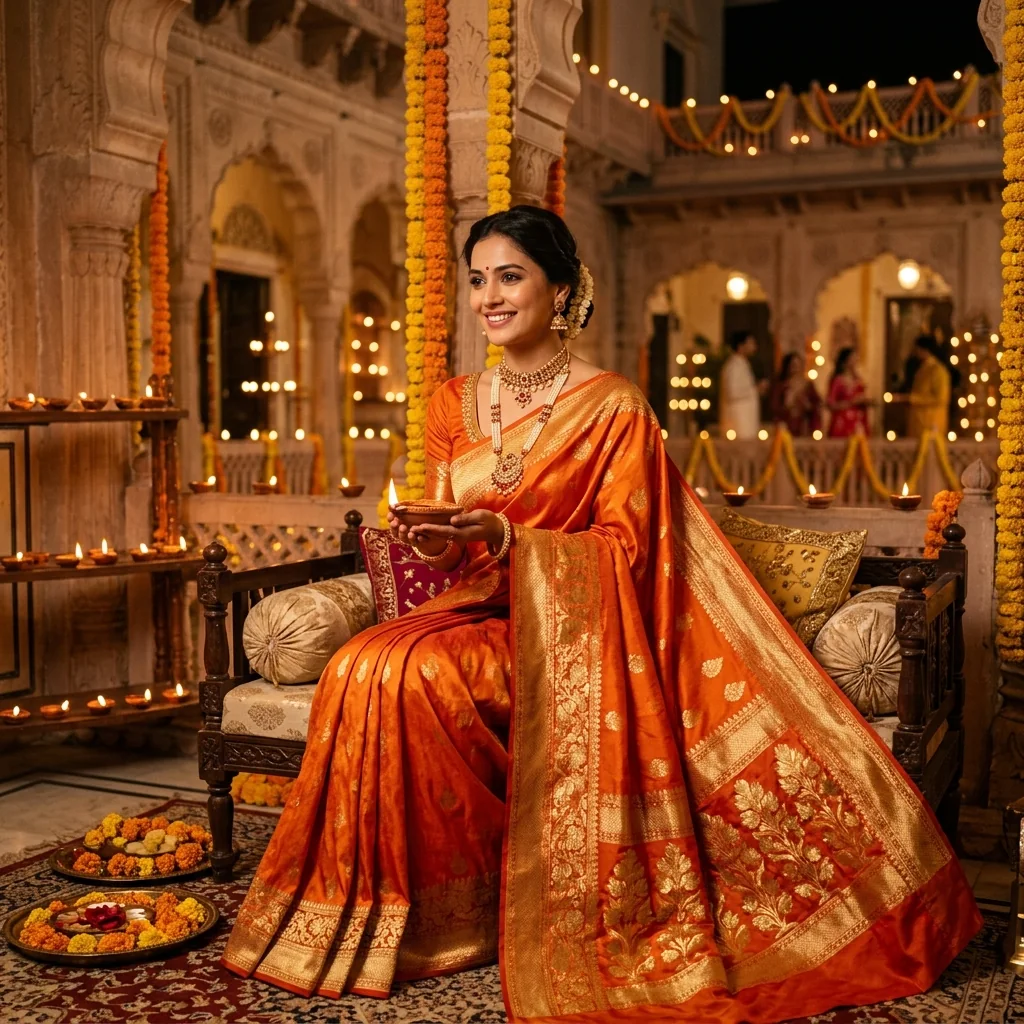
Nivi draping places pleats at the front with the pallu over the left shoulder and is a versatile starting point. Gujarati seedha-pallu styling brings the decorated end forward, while Bengali-inspired drapes are known for a fuller, more open pallu treatment.
Lehenga-inspired draping creates repeated skirt-like pleats. An open-pallu variation keeps the shoulder fall broad and fluid. These names describe broad styling families; regional practice and personal technique can vary.
- Nivi: balanced and adaptable for many fabrics.
- Gujarati seedha pallu: brings border and pallu detail to the front.
- Bengali-inspired: fuller pleats and a more expansive pallu.
- Lehenga-inspired: repeated lower-body pleats for a skirt effect.
- Open pallu: a broad shoulder fall that highlights the textile.
Make it wearable
Match the method to the fabric
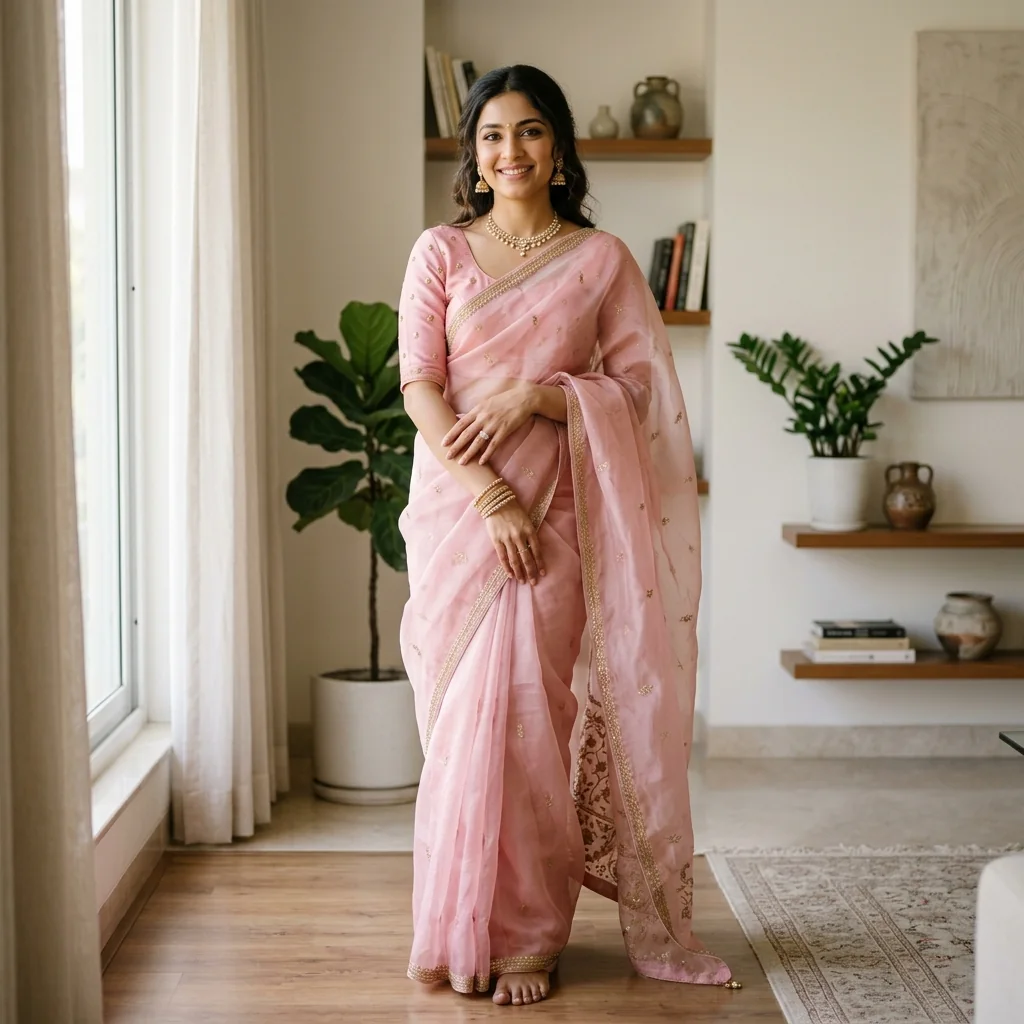
Crisp handlooms hold defined pleats, while fluid fabrics create a softer fall and may need more discreet securing. Heavy borders also change where a pallu sits comfortably.
Practice the full drape with the intended blouse, underskirt and shoes. Use the fewest pins needed, avoid piercing dense zari repeatedly, and leave enough ease to sit and walk naturally.
Treat every drape as a starting point
A draping style works best when it respects the textile and the wearer. Small adjustments to pleat width, pallu length and pin placement can make a familiar method feel personal.